The Growth of Cloud Gaming
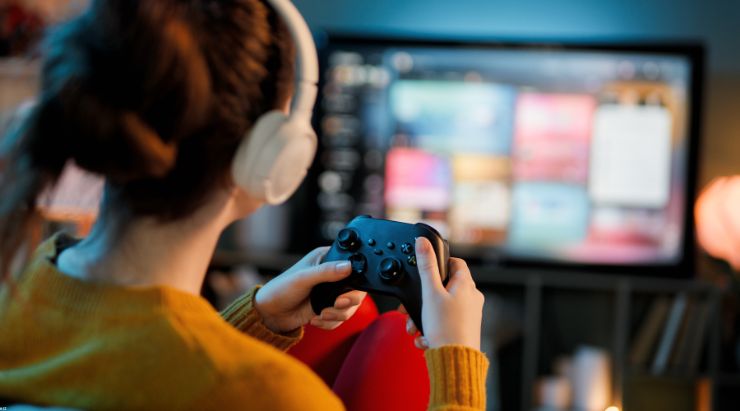
Cloud gaming has become one of the biggest trends in the entertainment industry. Instead of installing games on a console or powerful computer, players can stream games directly from remote servers.
Major companies including Microsoft, NVIDIA, Amazon, and other technology providers are investing in cloud gaming infrastructure.
The idea is similar to video streaming services, but instead of watching content, users interact with games running on powerful servers.
How Cloud Gaming Works
Cloud gaming platforms process game graphics and calculations remotely. The player's device receives a video stream while sending controller commands back to the server.
- No expensive gaming hardware required
- Instant access without downloads
- Gaming on smartphones and tablets
- Cross-platform experiences
Benefits for Players
Cloud gaming makes high-quality gaming accessible to more people.
Players who cannot afford expensive consoles or gaming computers can still enjoy advanced titles using affordable devices.
It also allows gamers to continue playing across multiple devices without being limited to one platform.
Challenges Facing Cloud Gaming
Despite its potential, cloud gaming still faces technical challenges.
Internet quality remains one of the biggest factors. Players need fast and stable connections to avoid delays and performance issues.
Companies are also investing billions in global data centers to reduce latency and improve reliability.
Will Consoles Disappear?
Many experts believe consoles will not disappear immediately. Hardware devices still provide excellent performance, offline gaming options, and dedicated experiences.
However, the role of consoles may change as cloud gaming becomes more popular.
Future gaming systems may combine traditional hardware with cloud services to provide more flexibility.
The Future of Interactive Entertainment
Cloud gaming represents a major shift in how people access entertainment.
Just as streaming changed movies and music, cloud gaming could transform video games by making access more important than ownership.
The next generation of gaming may not depend on powerful machines but on fast networks, intelligent cloud infrastructure, and connected experiences.